

How will Martyn’s Law Affect My Business Locks?
 Can Your Doors Be Secured When It Matters?
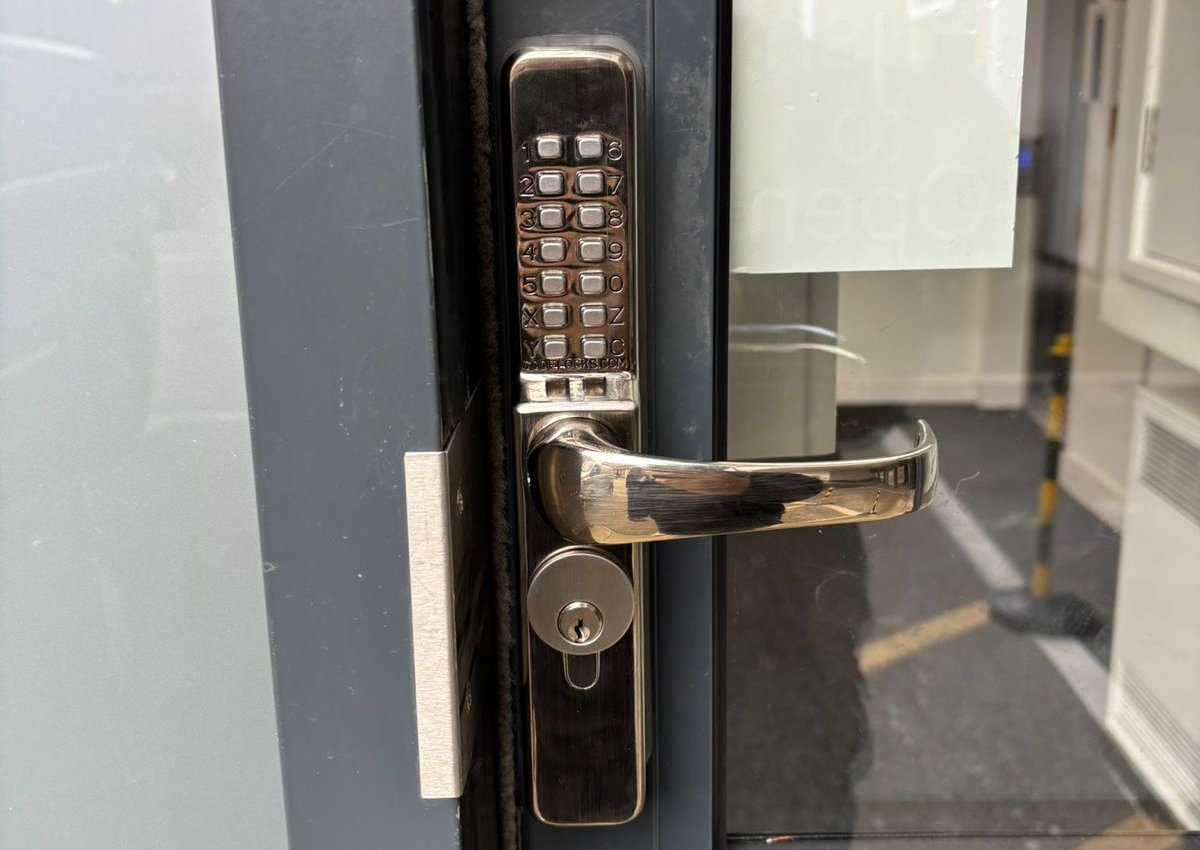
Martyn’s Law is expected to be fully implemented in Spring 2027.
It could significantly change to the way UK organisations think about their access and security requirements.
The core question asked by this new legislation is:
“If you needed to secure your building during a serious incident, could you actually do it quickly and safely?”
The most common locations affected are large businesses, schools, places of worship, leisure facilities, hospitality premises and healthcare settings.
Why is it called Martyn’s Law?
Martyn’s Law was named after Martyn Hett, who was 20 years old when he was tragically killed alongside 21 others in the 2017 Manchester Arena terrorist attack.
Martyn’s mother, Figen Murray OBE, campaigned to change security laws so that other families would not face the same heartbreak she had experienced.
What does Martyn’s law require?
Before the creation of this law, public venues were not legally required to have a specific plan or risk assessment for potential terrorist attacks.
Going forward, qualifying locations need to take consideration of four public-protection procedures:
- door_open Evacuation
- location_home Invacuation
- encrypted Lockdown
- chat Communication
The legislation takes account of the type of premises and number of people reasonably expected to be present:
- Under 199 people: Legislation not required
- 200-799 people: Standard Tier
- 800 or more people: Enhanced Tier
Bear in mind that some important exceptions and additional rules will apply to particular types of premises.
Does Martyn’s Law mean we will need new locks?
No, Martyn’s Law does not necessarily mean everybody needs new locks, but we would advise your current security is reviewed regardless.
For premises indentified as standard-tier, the legislation does not automatically require organisations to replace locks, install access control or purchase particular security products.
However, these organisations should consider whether physical alterations could make their procedures more effective. This could involve changing the way doors are locked, for example.
How should our lockdown procedures work?
 A written lockdown procedure is only useful if the building allows people to carry it out.
For instance, in an incident where a member of staff needs to secure a classroom, office, reception area or other room immediately, you should ask:
Can the door be locked from inside?
Does the person have to find a particular key?
Does only one person in the building have that key?
Could someone outside still gain authorised access where necessary?
Could the external entrances be secured quickly?
What happens to electronically controlled doors if there is a power or access-control failure?
Importantly, the results of the above questions need to take account of the building’s fire, escape and safeguarding requirements.
If you don’t feel your premises is safe enough, contacting a locksmith or security expert for advice is recommended.
How does Martyn’s Law apply to our doors & keys?
During an emergency, nobody can predict exactly where people will be when an incident develops. They could be in a classroom, reception area, meeting room, staff room, corridor or communal area.
The best approach is to consider the building as a whole rather than simply installing a high-security lock on the main entrance.
Martyn’s Law is ultimately about preparedness; procedures, staff, communication and physical security all need to work together.

How can Owen the Locksmith help with Martyn’s Law?
Owen can assist organisations with the physical locking elements of your wider security and emergency planning.
We can review existing door and locking arrangements, helping with:
- External and internal doors
- Commercial lock assessment
- Cylinders and door hardware
- Master and restricted key systems
- Zoning setup suggestions
- Key-control arrangements
Please note: this is not a Martyn’s Law compliance certificate or a substitute for your organisation’s own statutory responsibilities, risk assessment, fire strategy or specialist security advice.
Our aim is to ensure the physical locking systems can support any emergency procedures your organisation implements.
For more detailed information on Martyn’s Law and how it applies to your organisation, please visit this Home Office blog post.